A sudden strike rattles a pivotal maritime corridor
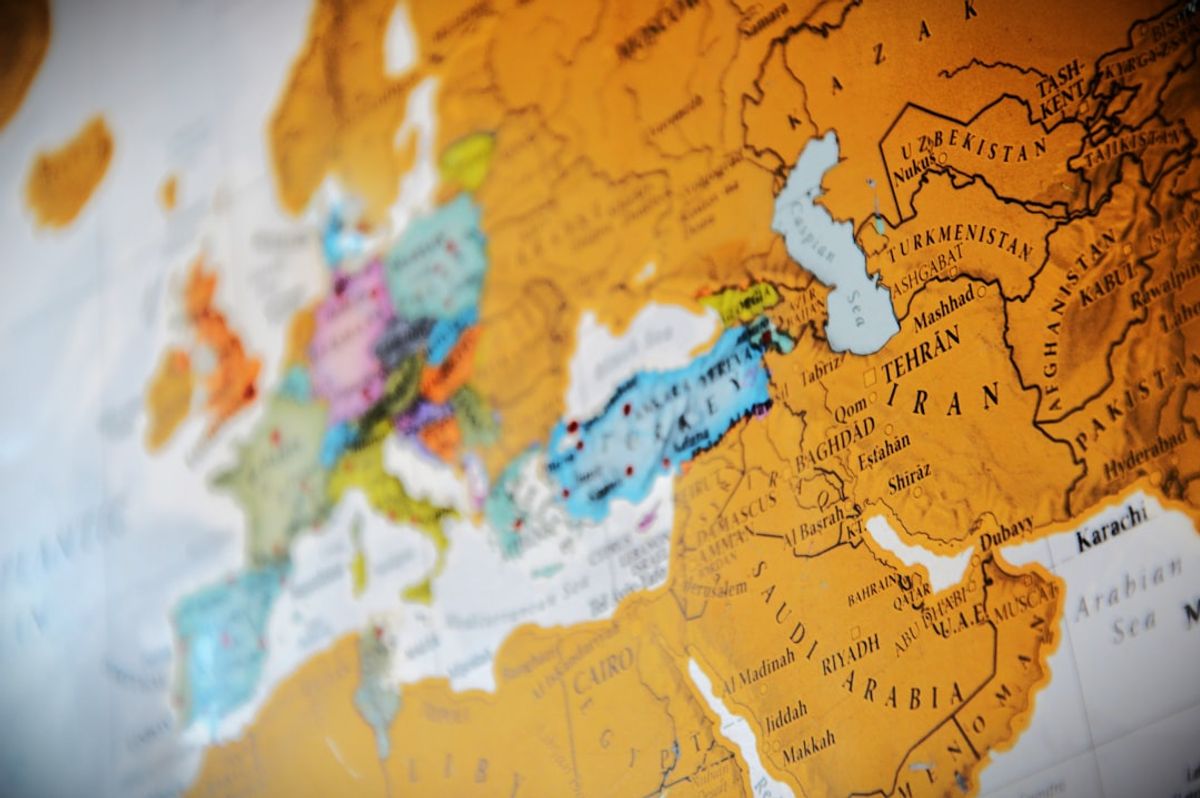
The Strait of Hormuz, the narrow waterway that links the Persian Gulf to the Arabian Sea, has once again become the focal point of geopolitical tension. On the evening of 17 August, a commercial cargo vessel, the *MV Astra*, was struck by an unknown projectile while transiting the strait. The impact caused a significant breach in the hull, leading to a rapid loss of buoyancy and the tragic death of one crew member. The incident has reignited concerns about the safety of shipping lanes that are critical to global trade, especially for energy supplies.
The incident in detail
According to the International Maritime Organization (IMO) and statements from the vessel’s flag state, the *MV Astra*—a 10,000‑tonne container ship registered in Singapore—was navigating the western segment of the strait, approximately 30 km east of the Iranian port of Bandar Abbas, when the projectile struck the port side amidships. The impact created a 12‑metre breach, causing the ship to take on water rapidly.
The ship’s crew, numbering 22, was on a routine voyage from Singapore to Rotterdam. The crew’s safety and the rapid response of the ship’s captain were praised by maritime experts. However, the loss of one seafarer, a 35‑year‑old Indonesian national, underscores the human cost of escalating maritime hostilities. The crew is receiving medical care in a nearby port, and the vessel was towed to the nearest safe harbor for repairs.
The source of the projectile remains unknown. Iranian authorities have not yet released a statement, while the United States Navy, which maintains a presence in the region, has issued a brief advisory urging merchant vessels to exercise heightened vigilance. No country has claimed responsibility, and no missile launch has been publicly confirmed by any of the involved parties.
Geopolitical context and Turkey’s diplomatic role
The surviving tensions in the region stem from the long‑standing rivalry between Iran and the United States, compounded by regional disputes over maritime boundaries and energy pipelines. The Strait of Hormuz is a strategic chokepoint through which roughly 20 % of the world’s petroleum passes, making any disruption a matter of global economic concern.
Turkey, a NATO member and a key player in Middle Eastern diplomacy, has maintained close communication with all parties involved. Ankara has repeatedly urged restraint, calling for a return to diplomatic negotiations and citing the need to protect international shipping lanes. Turkish officials have also engaged with Pakistan and Qatar—both of whom have historically acted as mediators in Gulf disputes—to facilitate dialogue between the U.S. and Iran.
In a recent press briefing, the Turkish Deputy Minister for Foreign Affairs emphasized that Ankara’s role is “to serve as an intermediary and to ensure that the principles of international law and maritime safety are upheld.” Turkey’s diplomatic outreach is part of a broader strategy to position itself as a neutral broker in a region where alliances are fluid and tensions high.
India’s stake in the crisis
India’s interests in the Strait of Hormuz are multi‑faceted. The country imports roughly 70 % of its crude oil through the Gulf, and any disruption in the strait could have immediate repercussions on India’s energy security and economic stability. Moreover, the Indian Navy maintains a forward presence in the Arabian Sea, with the INS Viraat and other vessels routinely patrolling the waters to safeguard maritime trade routes.
From a diplomatic standpoint, India has consistently advocated for a rules‑based order in the Indian Ocean Region (IOR). Prime Minister Narendra Modi’s government has urged all parties to respect international maritime law and to avoid actions that could lead to a broader conflict. In recent weeks, India has engaged in back‑channel talks with both Iran and the United States, seeking to de‑escalate tensions and to ensure that shipping lanes remain open.
India’s strategic calculus also involves maintaining good relations with Pakistan and Qatar, both of which have been active mediators in Gulf affairs. By aligning with Turkey’s diplomatic overtures, India aims to reinforce its role as a stabilizing force in the region and to counterbalance the influence of external powers that might jeopardize regional stability.
Outlook: risk of escalation and the need for multilateral action
The immediate aftermath of the incident has seen heightened naval patrols from both U.S. and Iranian forces, with the U.S. Navy’s Carrier Strike Group 5 conducting exercises in the area. The U.S. Department of Defense has warned merchant vessels to exercise caution, while Iranian officials have called for “respect for international shipping lanes.” The lack of a clear attribution for the projectile leaves the door open for speculation and potential miscalculation.
In the longer term, the incident underscores the fragility of maritime security in the Gulf. The international community, particularly the IMO and the United Nations, may need to revisit the protocols governing maritime safety in high‑risk zones. India, with its growing naval capabilities and diplomatic outreach, could play a pivotal role in convening a multilateral forum to address these concerns.
Should the incident spark further hostilities, the economic ripple effects could be significant. Global oil prices may rise, shipping costs could increase, and insurance premiums for vessels traversing the strait may soar. For India, this could translate into higher import costs and inflationary pressures.
In conclusion, the *MV Astra* incident is a stark reminder that the Strait of Hormuz remains a flashpoint where geopolitical rivalries intersect with commercial interests. Turkey’s diplomatic engagement, coupled with India’s strategic interests and proactive diplomacy, will be crucial in navigating the immediate crisis and in charting a path toward lasting stability in the region.
See Also
→ Ukrainian Drone Attacks Kill Six in Russia’s Belgorod Region, Governor Reports
→ Zambia arrests top opposition leaders after election amid alleged insurrection plot
→ Calls for UK Inquiry into Press Harassment After Dr Arday’s Tragic Death